All Categories
Featured

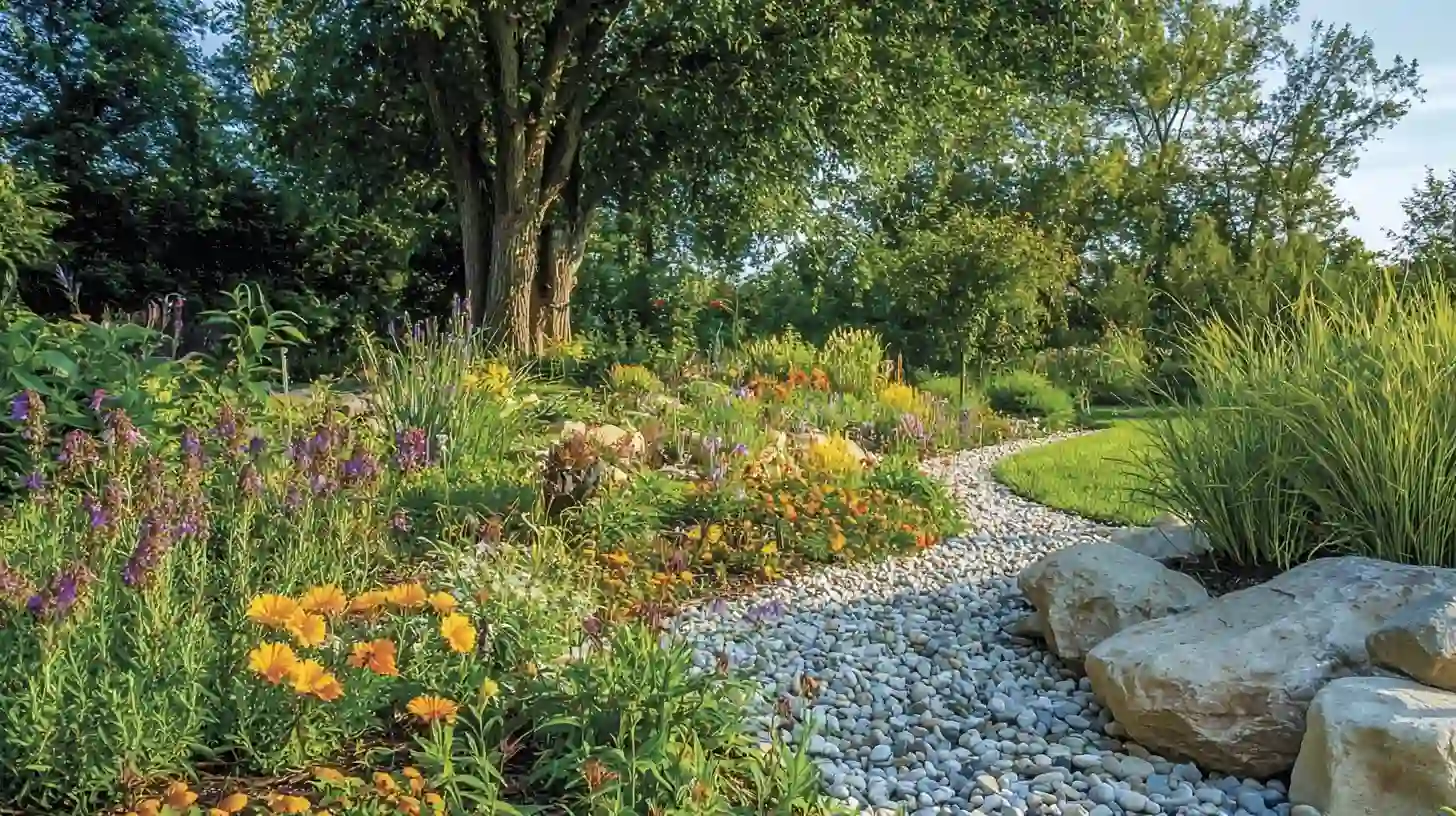
Adopting Modern Grounds Management Best Practices
Table of Contents
Overgrown shrubs, weeds poking through walkway fractures, and tired-looking typical locations send out clear messages that drive people towards better-maintained neighborhoods. It safeguards what residents have actually paid for their homes, minimizes liability threats from trip dangers or dead trees, keeps homeowners pleased with where they live, and demonstrates that people care about their community.
Communities typically keep lawn sprinkler, trees, bushes, flower beds, mulched areas, yard, sidewalks, lighting, signs, play areas, swimming pools, clubhouses, and other facilities particular to your neighborhood. Each piece needs different attention on various schedules. Trees require pruning every few years and regular health checkups by experts who know what they're looking at.
Concrete fractures and shifts gradually, developing spots where individuals can journey. Lights stress out and need brand-new bulbs. Skip any one aspect, and issues ultimately infected everything else. The intricacy of maintenance depends upon community size, regional weather, and the type of facilities being handled. Little areas with fundamental landscaping face easier challenges than large developments with elaborate water fountains, a varied variety of plants, and multiple recreational areas.
Landscape Maintenance Property Management CompaniesAdopting Modern Grounds Management Best Practices
Overly vague requirements like "keep things looking great" create arguments because everybody has various concepts about "nice." Clear requirements detail what's appropriate while still enabling landscape experts to use their judgment. Great standards cover things like: Grass height ranges rather of precise cutting measurements How much weed coverage in yards is okay before treatment When different kinds of trees get pruned based upon how quick they grow Seasonal flower planting and replacement schedules How deep the mulch ought to be, and when it needs refreshing How quickly repairs should occur after problems are reported Standards require to match your climate and budget realities.
Neighborhoods deal with huge decisions about who deals with upkeep work. Some employ their own workers while others contract with landscape business. Both techniques have benefits and downsides. Having your own staff gives direct control over schedules, quality, and what gets priority attention. Team member discover your residential or commercial property's unique features and what matters most to its residents.
The flip side involves managing staff members, purchasing and saving equipment, handling payroll taxes and benefits, and dealing with people who stop or call in ill. Small communities often do not have enough work to validate full-time personnel, while larger homes may need a number of workers. Agreement upkeep disposes equipment, insurance coverage, and management headaches onto landscape business.
Business handle their own employee issues and have backup employees when somebody's out. The tradeoff indicates less direct control and depending on whether professionals really appear and do great. Bad contractors develop constant headaches, while good ones end up being partners you rely on for many years. Landscape agreements should define exactly what work gets done, how typically, and to what quality level.
Streamlined Solutions for Large-Scale Landscape Portfolios
Comprehensive agreements consist of: How frequently grass gets cut and how brief Edge cutting and cleanup requirements Who keeps track of and repairs sprinkler problems Seasonal flower installation and care Tree and shrub pruning timing Mulch application schedules and depth Bug and illness control methods How you structure payment impacts professional performance. Some neighborhoods pay a monthly charge no matter the quality; nevertheless, much better setups tie part of the payment to conference requirements confirmed through regular property strolls.

Multi-year agreements with annual cost modifications provide stability while allowing performance evaluations and possible termination for bad work. Damaged sprinklers waste thousands of gallons of water, plus money, while producing drain messes and killing plants.
Seasonal adjustments match watering to the altering weather and the requirements of plants. Spring and fall transitions require careful attention as temperatures and rainfall vary. Summer increases watering while winter season cuts back or closes down completely in places that freeze. Smart controllers change immediately based upon weather condition projections, soil wetness, and plant requirements.
Landscape Maintenance Property Management CompaniesWater audits check how efficiently systems work and area enhancement chances. They also create considerable maintenance needs and potential suits when ignored.
Streamlined Solutions for National Landscape Portfolios
Expert tree professionals must look at tree health every few years. They find illness, bug damage, structural problems, and threats that regular people miss. Catching issues early avoids lots of from ending up being serious dangers. Pruning schedules depend on tree type, age, and where they're planted. Young trees need training cuts to establish strong structures.

Table of Contents
Latest Posts
How Transportation And Logistics Facility Managers Boosts Property Values

Building Trust Through Transparent Office Park Property Managers

How Automation Redefines 2026 Maintenance Workflows
Latest Posts
How Transportation And Logistics Facility Managers Boosts Property Values
Building Trust Through Transparent Office Park Property Managers
How Automation Redefines 2026 Maintenance Workflows